Behind the Spec: The Value of Knowing What we Design With
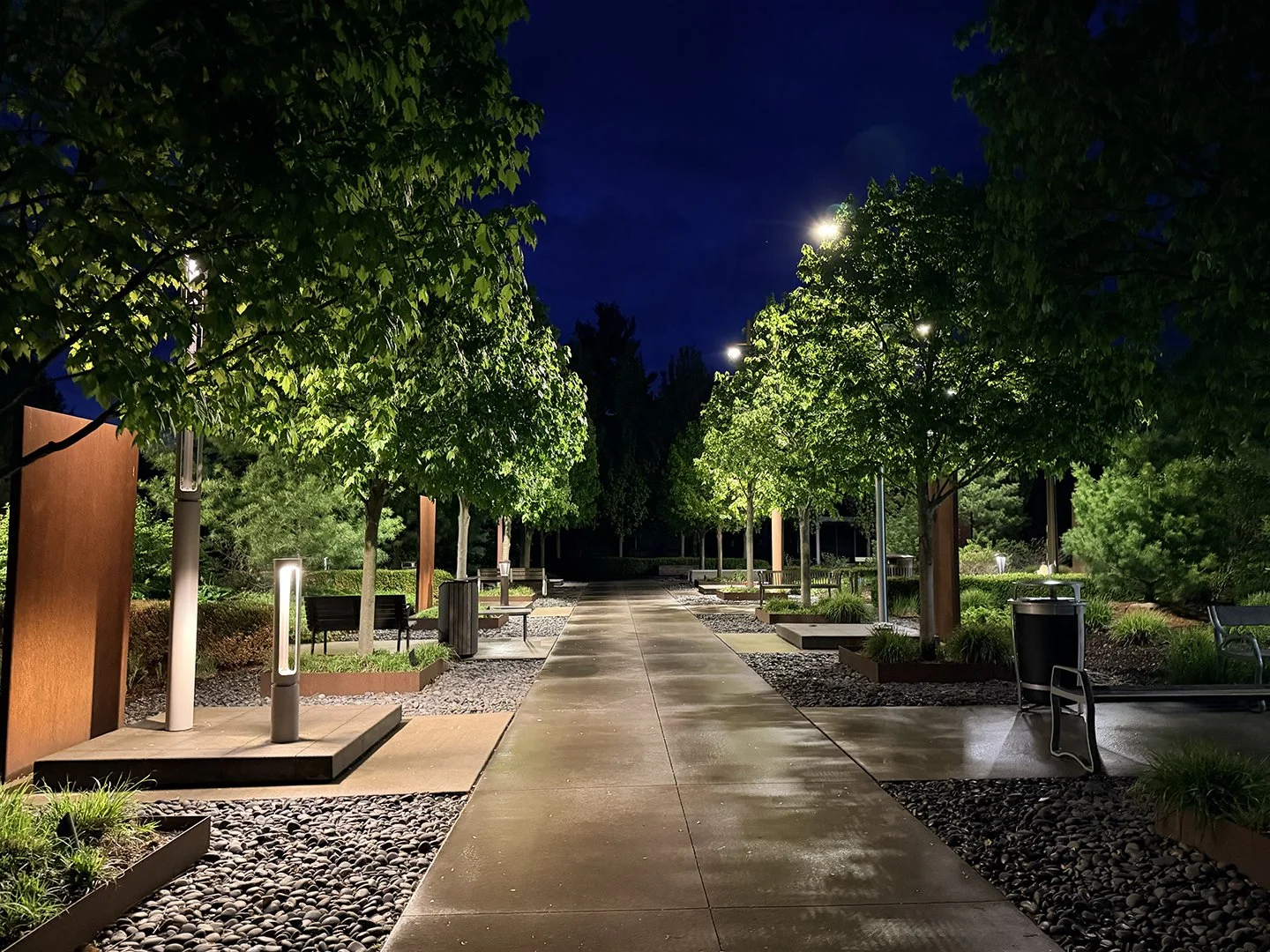

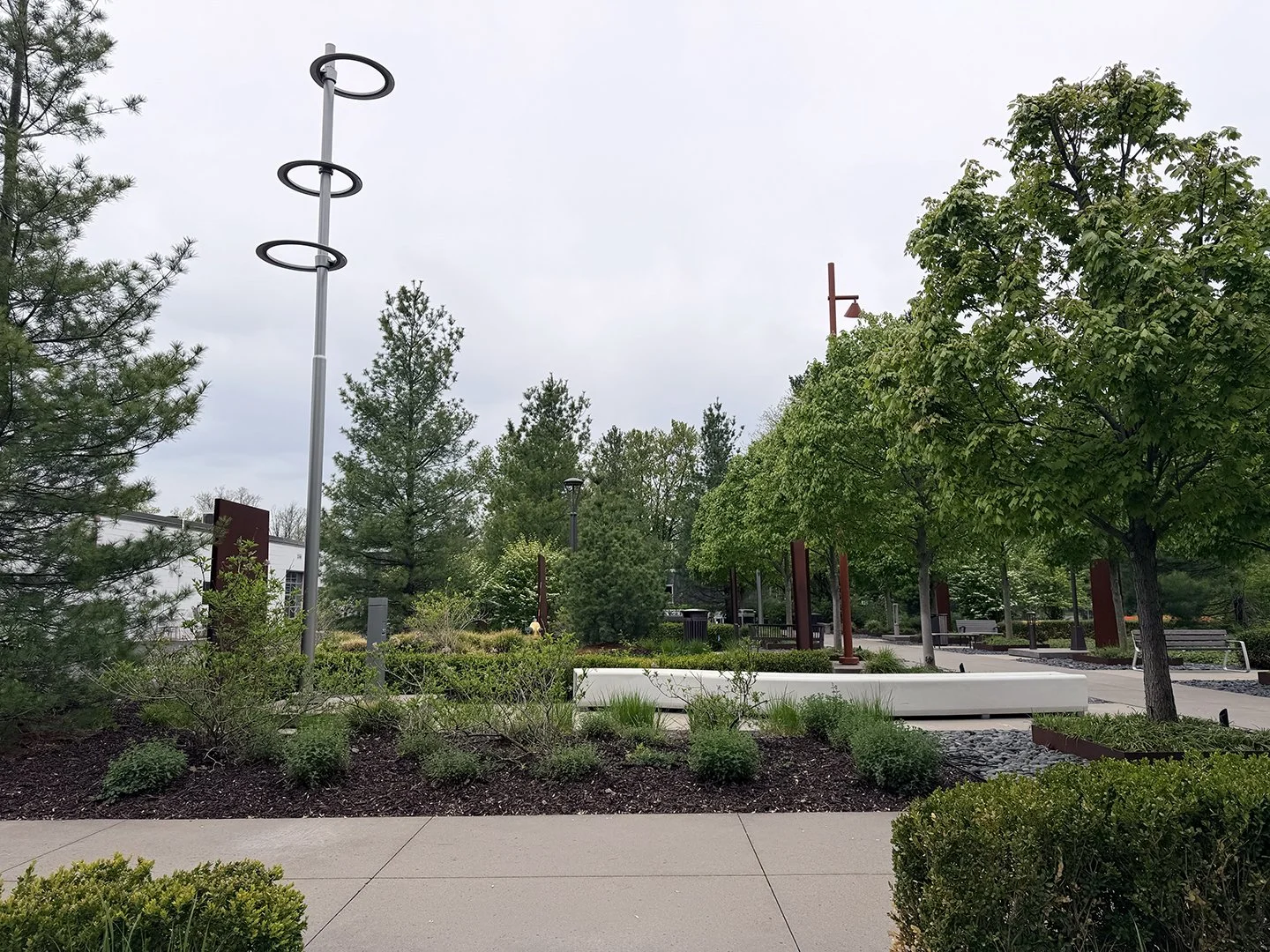
When landscape architects select site furnishings for a project, it's easy to think of a bench as just a bench—a line item on a spec sheet, a symbol on a plan. But the products we choose become part of a place for years. They're what people touch, rest on, lean against, and gather around. Selecting them well is part of how we deliver lasting value to our clients—and that means understanding them deeply.
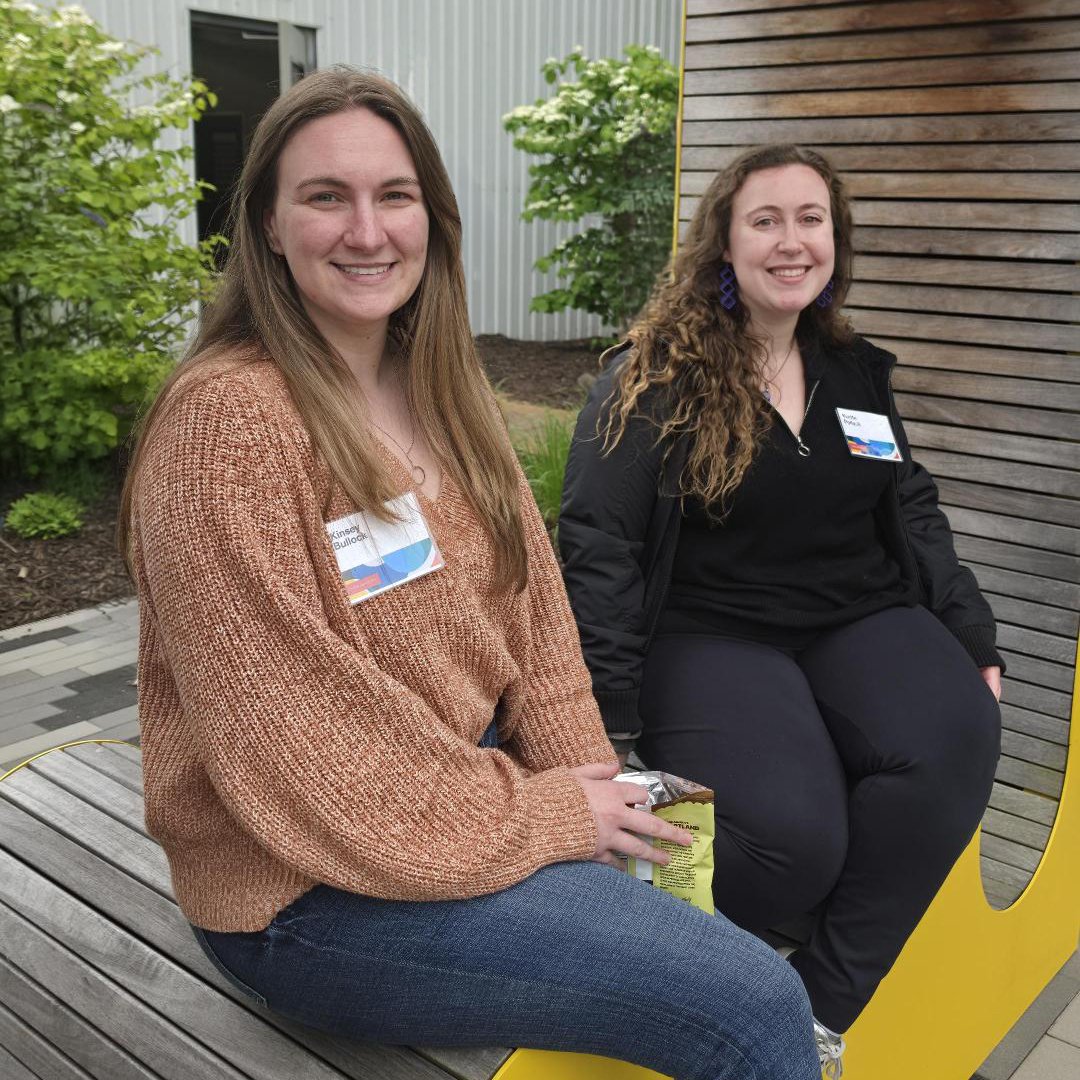
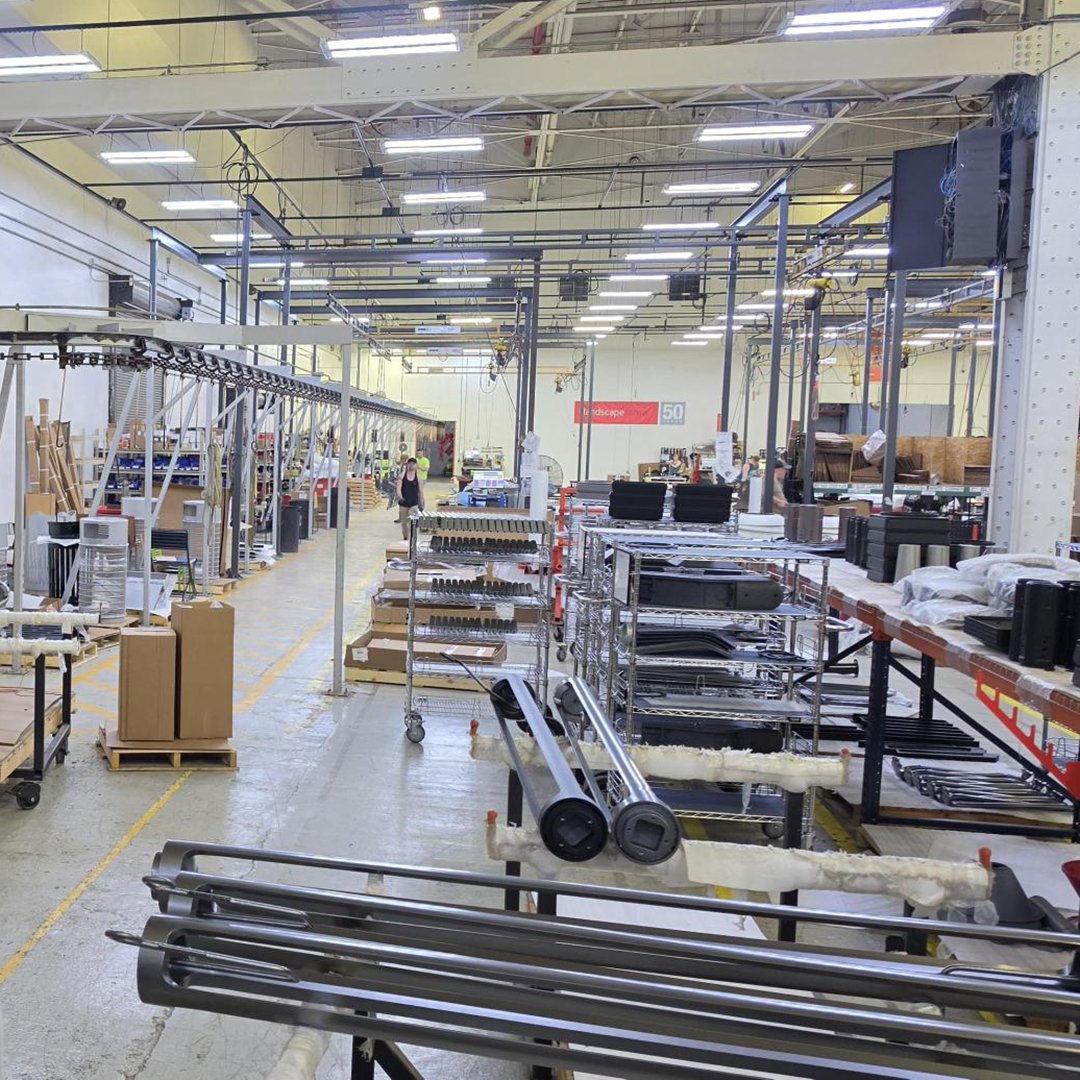
Last month, ELM team members Kinsey and Yvette traveled to Kalamazoo, Michigan, for a behind-the-scenes tour of a manufacturer's corporate headquarters and production facility, where they witnessed the full arc of how a product moves from concept to finished piece. What they brought back was something no catalog can offer: a genuine understanding of what goes into the things we put into the world.
Seeing the Full Picture
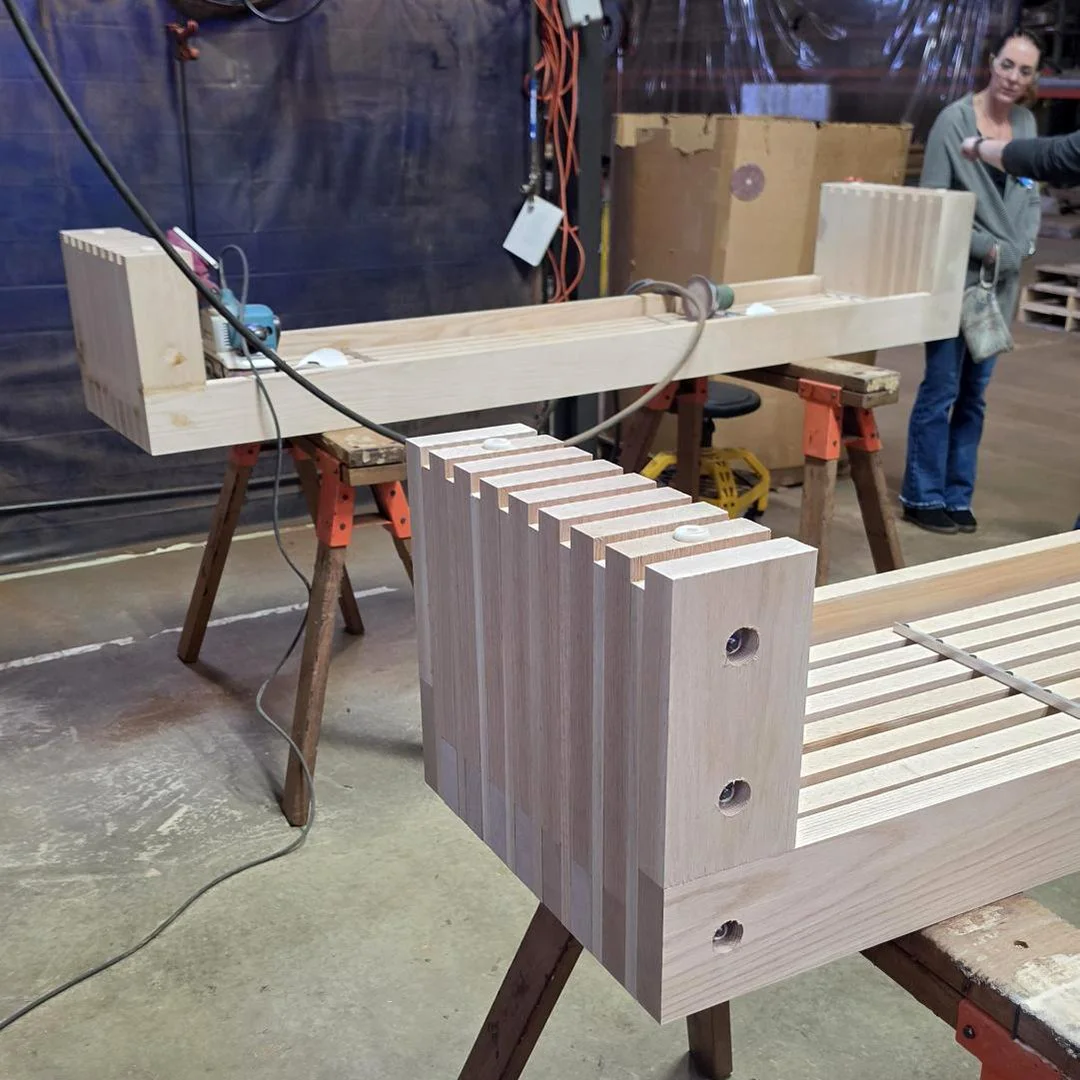
Walking a production floor—watching raw material become a finished object through skilled hands—changes how you think about the things you specify. It shifts a product from an abstraction to something real, and it equips our team to have more informed, more honest conversations with clients about why a particular product is the right fit for their project. That confidence doesn't come from a brochure. It comes from having been there.
People, Not Machines
Perhaps the biggest takeaway from the visit was one that surprised even the team members who made the trip. In an era of mass production and cost-cutting, most assume manufacturing is largely automated. What they found was the opposite.
In Kinsey's words:
"The amount of thought put into each detail in the design and aesthetics of each piece is really cool to see come together into a completed product. What was most surprising to me was how people-forward the creation process is. In a time where most things are mass-produced and quality is often cut for cheaper costs, I expected the manufacturing process to be machine-led. But in reality, the process from start to finish is people-powered. We got to see the art of manual welding, powder coating, and assembly of each piece up close and personal—and we even got to try our hand at these steps... let's just say I have a newfound respect for these talented craftsmen and women!"
For our clients, that distinction matters. When a product is built with that level of care and craft, it shows up in the longevity of the finish, the durability of the structure, and the way a piece holds up over years of real use. Specifying with that knowledge means we're not just filling a line item—we're making a considered recommendation we can stand behind.
Why This Matters for Our Work—and Yours
Staying current with the manufacturers and vendors whose products we use isn't just professional development—it's design diligence. Understanding how something is made informs how we specify it, how we detail it, and how we communicate its value. It helps us anticipate lead times, speak to performance with confidence, and make smarter decisions early in the design process when they carry the most weight.
It also means that when a client asks why we're recommending a particular product over another, we can give a real answer—one grounded in firsthand knowledge rather than a spec sheet. That transparency builds trust, and trust is at the center of every project relationship we value.
Visits like this one are part of how ELM stays sharp—and stays honest about the materials and products that become part of the places we design together with our clients.