Learning in the Landscape: ELM Visits the UNF Botanical Garden
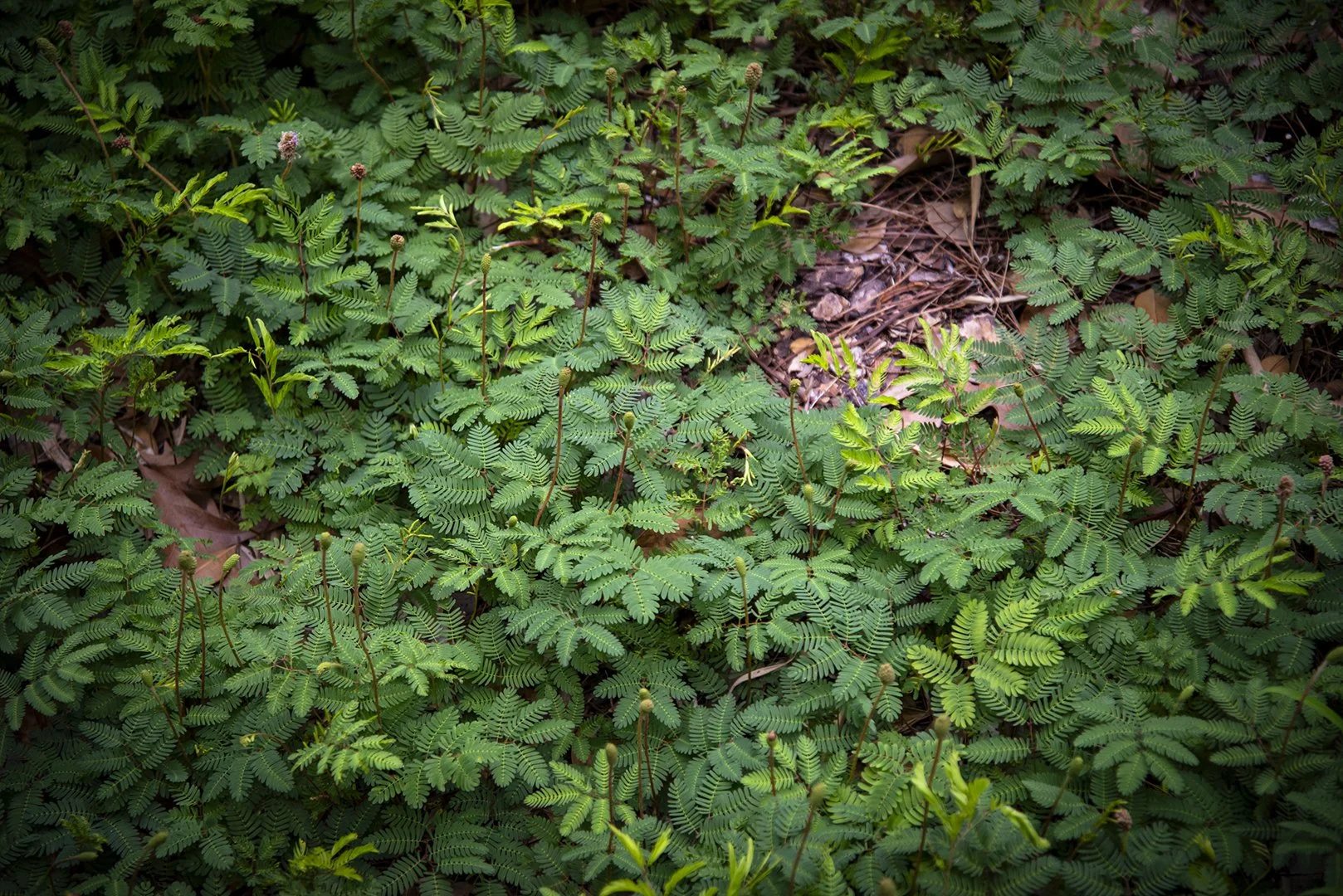
Sunshine Mimosa also known as Mimosa strigillosa is a Florida Native groundcover.
Some of the most valuable lessons for landscape architects happen outside the studio—in places where plants, people, climate, and time are all at work.
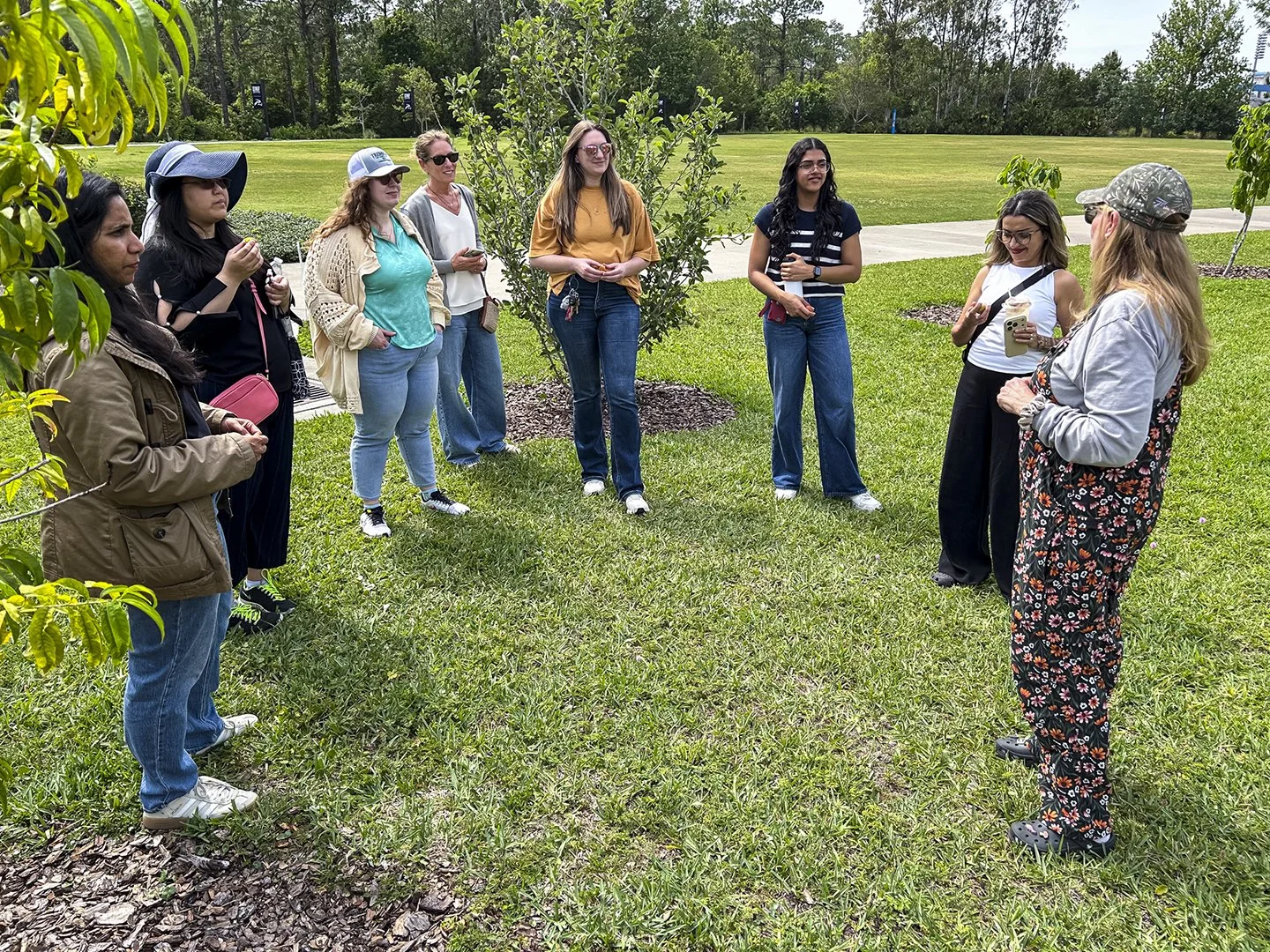
Recently, members of the ELM team visited the University of North Florida Botanical Garden for a guided tour led by Rhonda Gracie, Horticulturist at UNF, and William McMahon, Assistant Director of Campus Sustainability. The tour offered an opportunity to step into a living landscape shaped by education, stewardship, experimentation, and care.
UNF’s campus functions as a botanical garden woven into everyday campus life, with garden spaces that support learning, wellness, biodiversity, and environmental awareness. For ELM’s landscape architects, the visit was a chance to see North Florida plant communities up close and better understand how local plant material performs over time in an active campus environment.
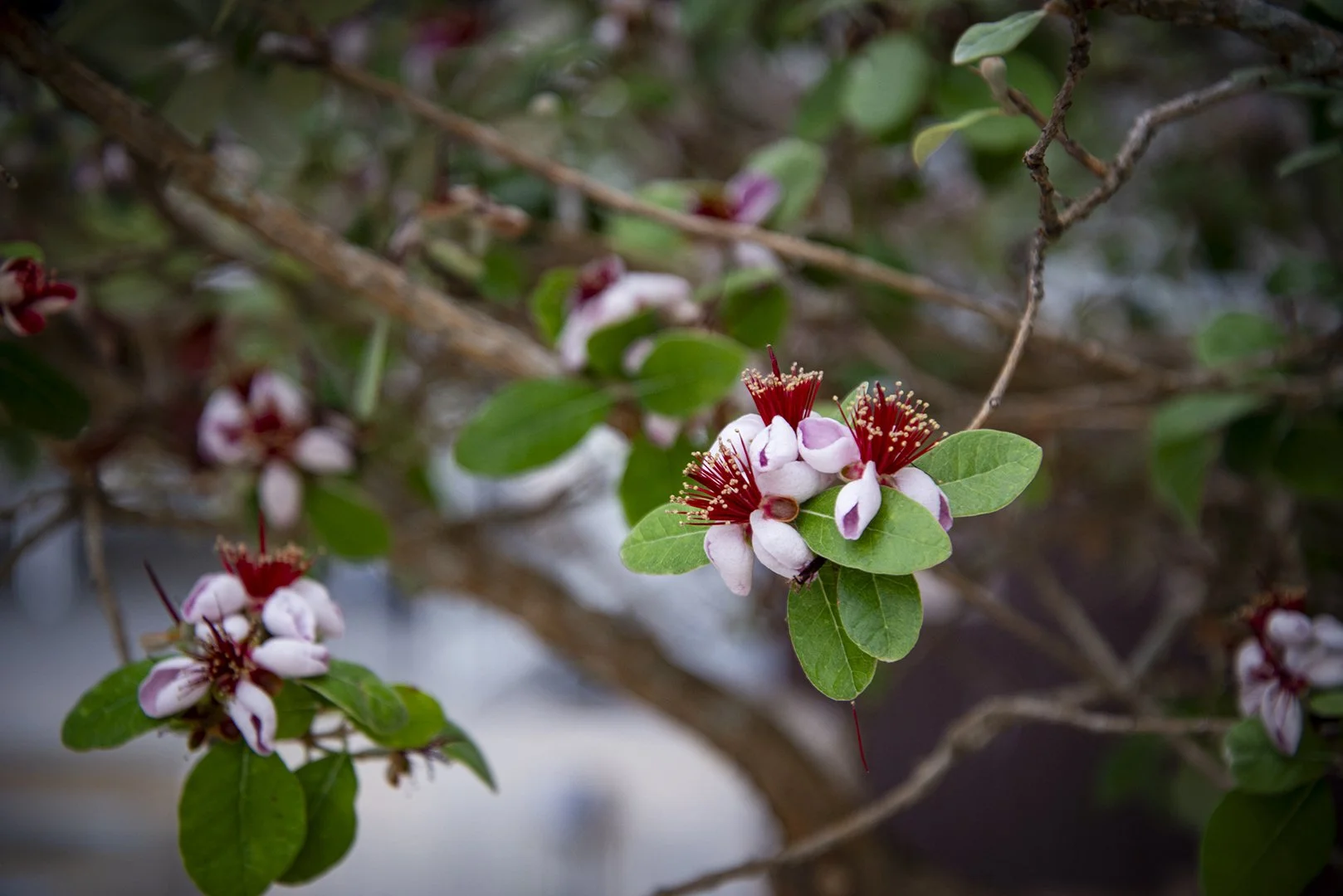
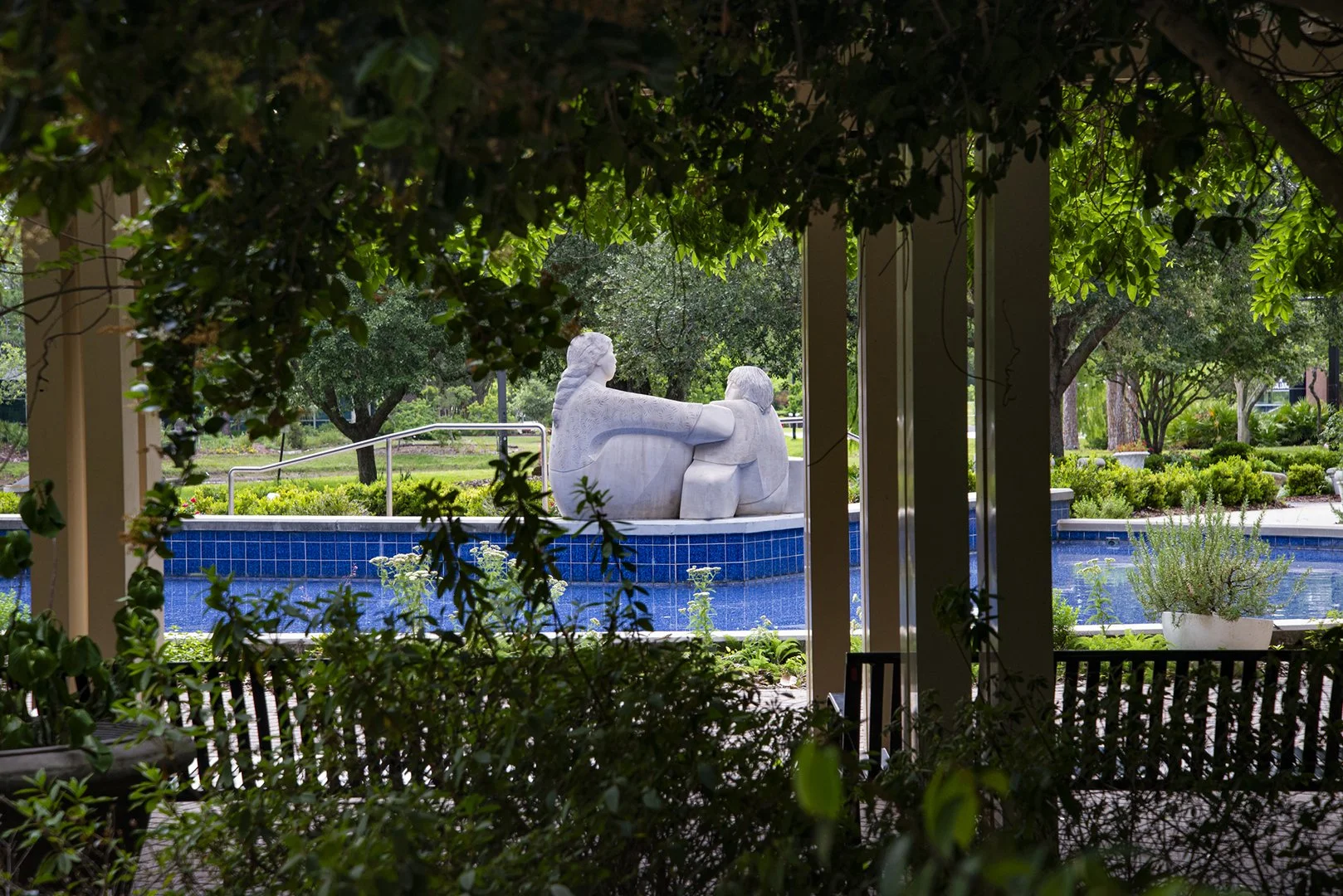
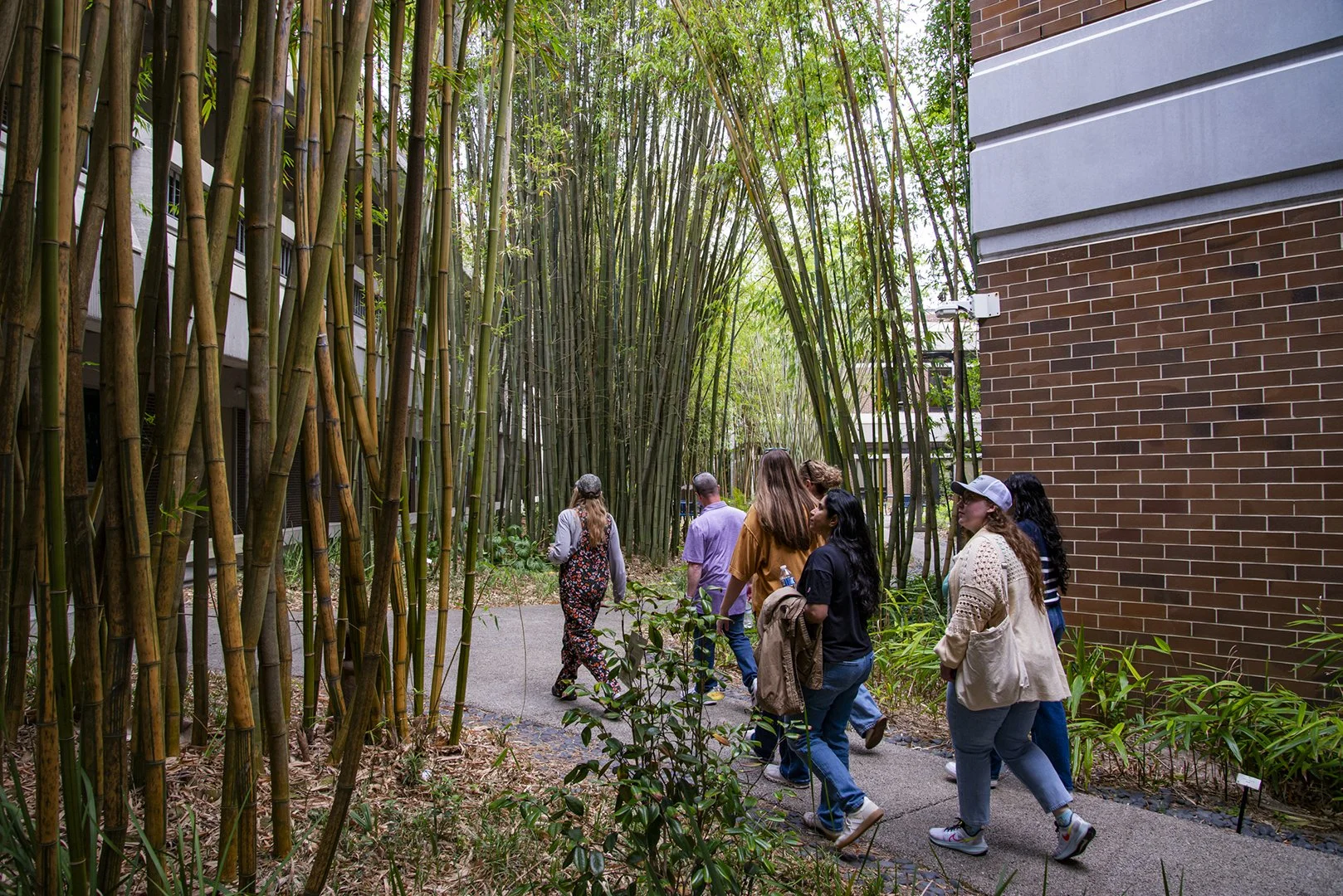
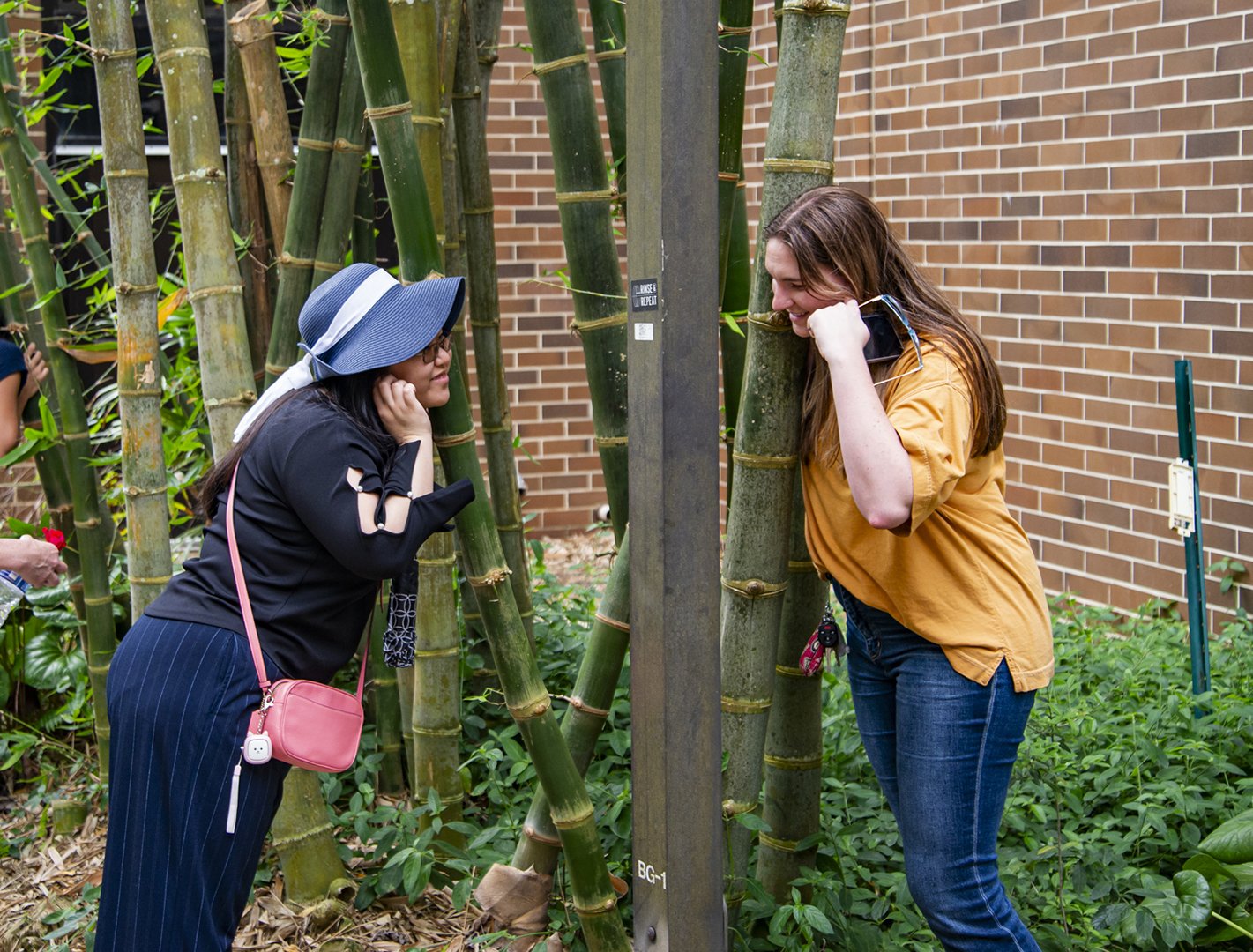
Rhonda and William guided the team through a series of distinct spaces, including edible plantings, the bamboo garden, the healing garden, and areas designed around specific microclimates. Along the way, the team had the chance to taste pineapple guava flowers and learn about fruiting plants placed throughout campus in areas where students can easily encounter, pick, and enjoy them.
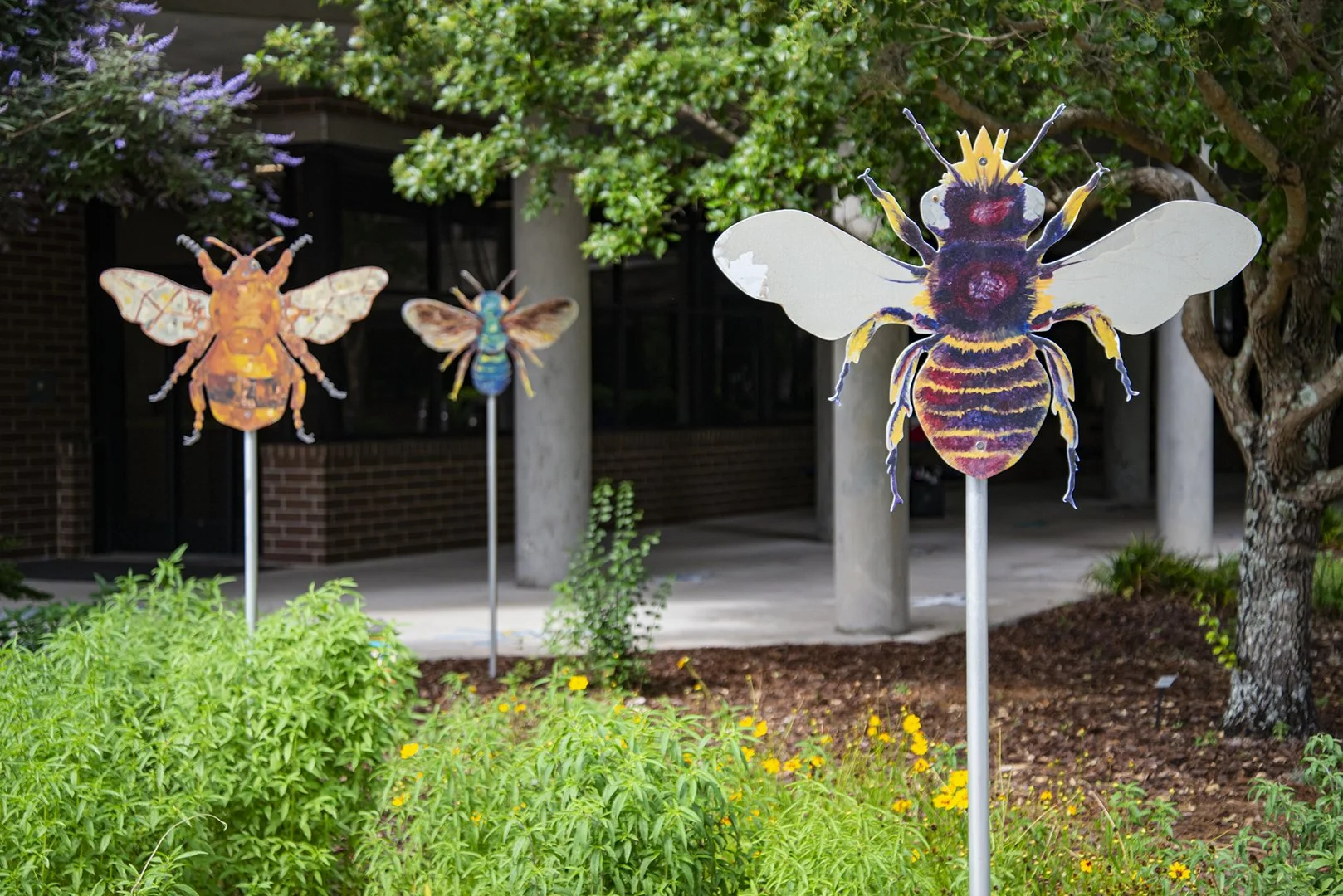
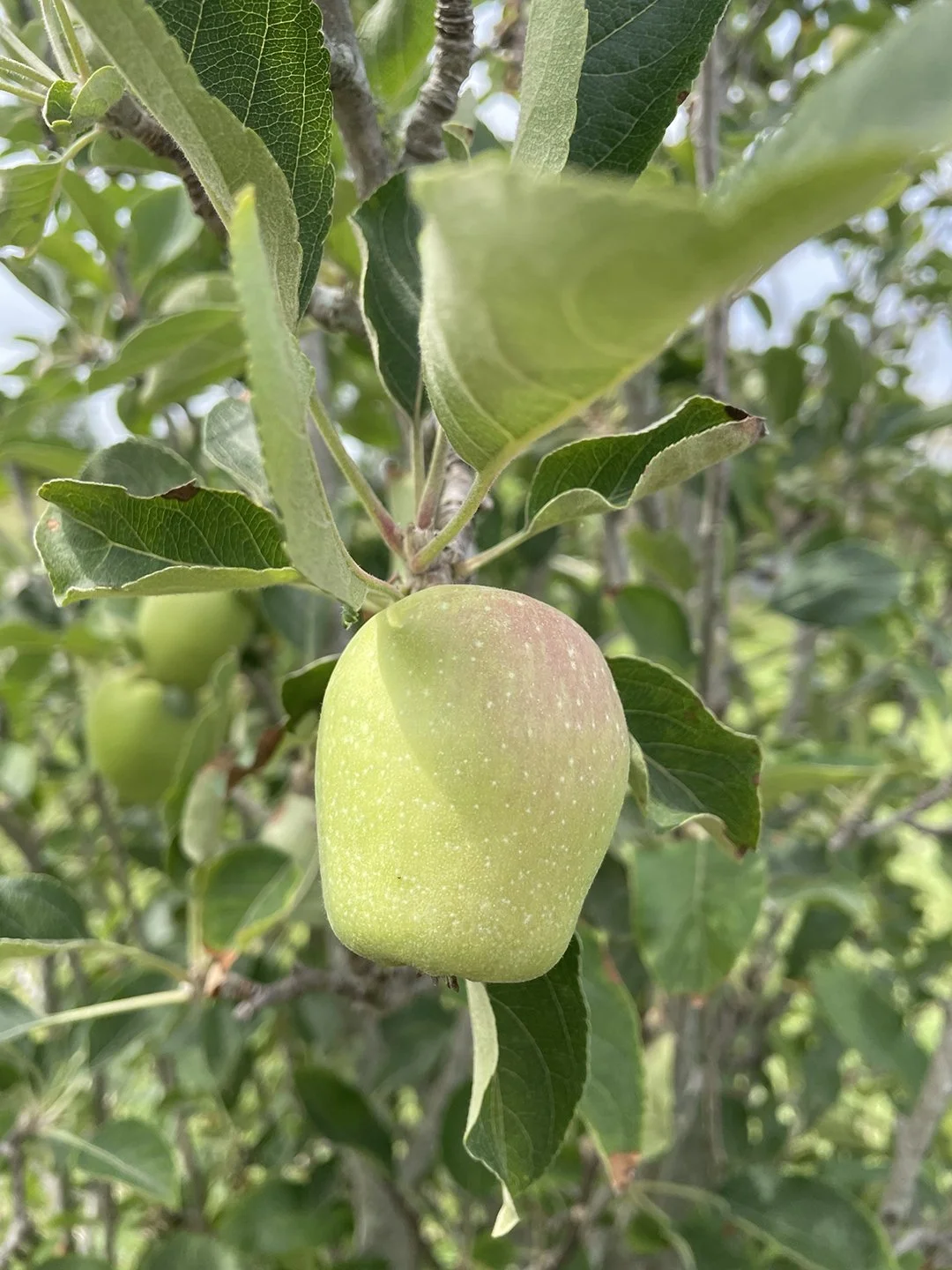
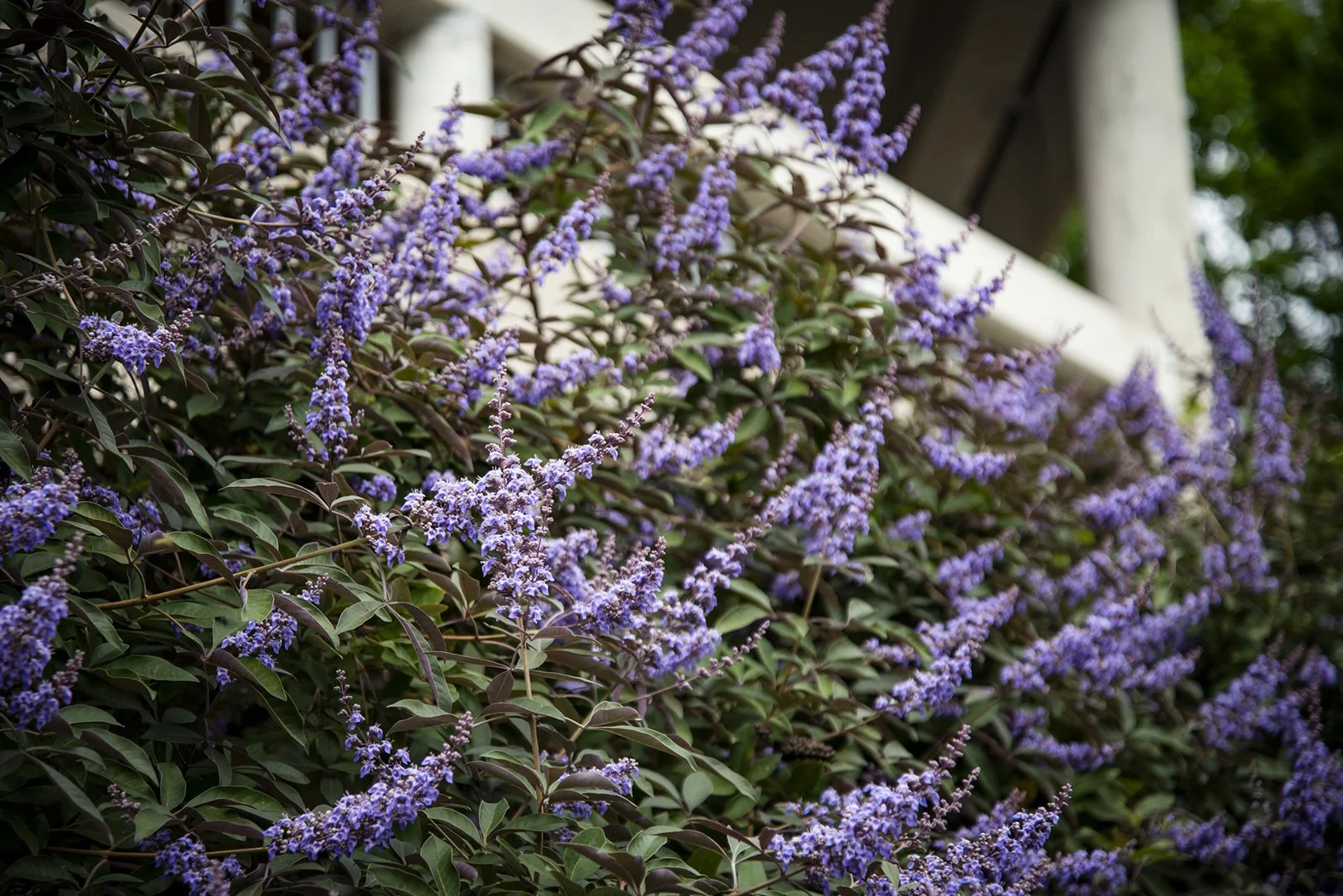
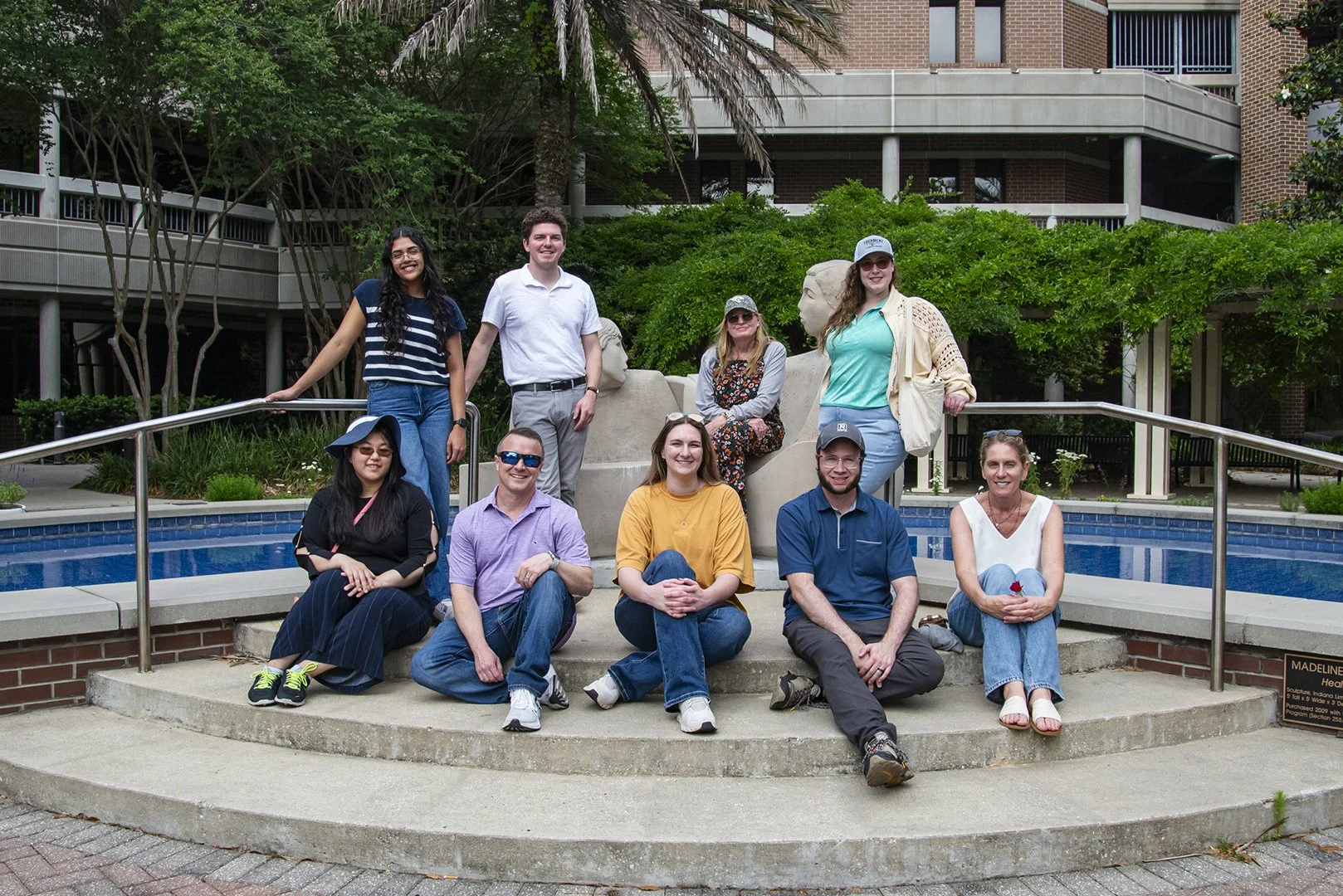
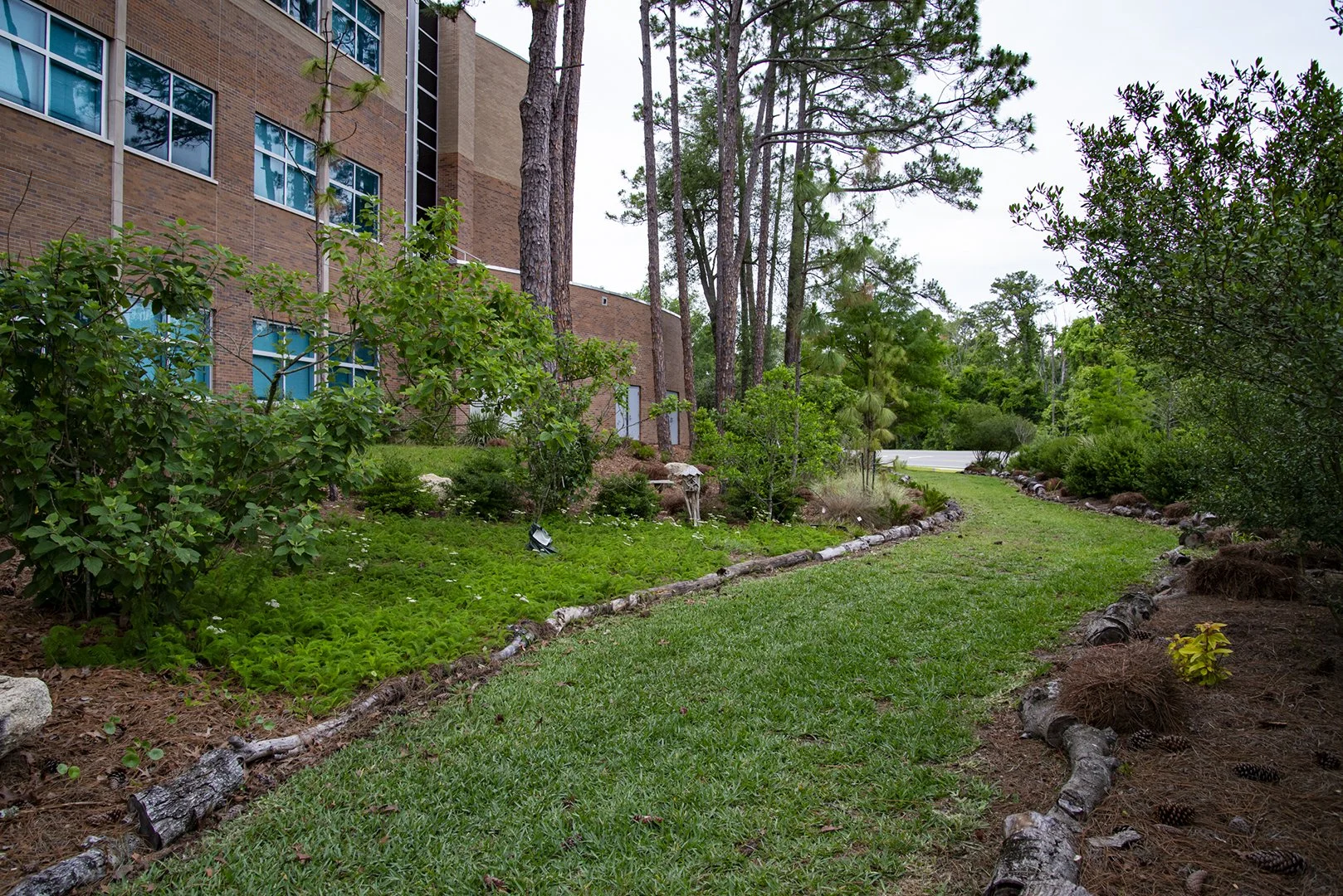
Because Rhonda is directly involved in planning, planting, and monitoring the gardens, the team was able to ask thoughtful questions about the realities of growing certain plants in North Florida. They also discussed how hardscape choices have held up over time in heavily used pedestrian areas—a valuable reminder that successful landscapes must be both beautiful and durable.
“Seeing mature landscapes grown in gives our younger designers the chance to more fully understand how Florida’s native plants interact and grow together over time,” shared Yvette, reflecting on the value of the visit.
That perspective was especially meaningful for ELM’s landscape architects. In many projects, landscapes are installed with younger plant material for reasons of cost, availability, and transplant success. Seeing established landscapes in place helps designers better understand scale, texture, shade tolerance, plant relationships, and how a landscape changes as it matures.
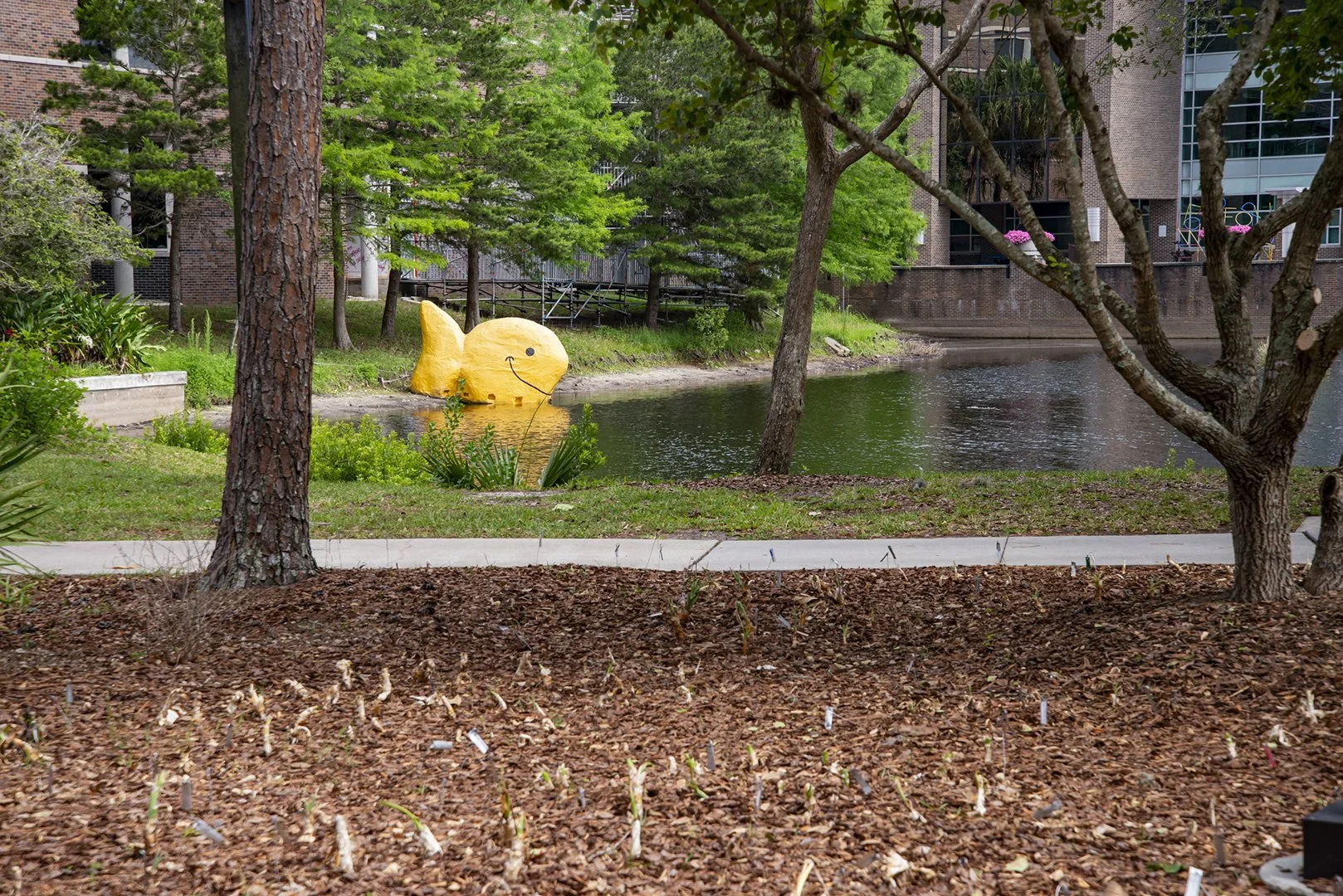
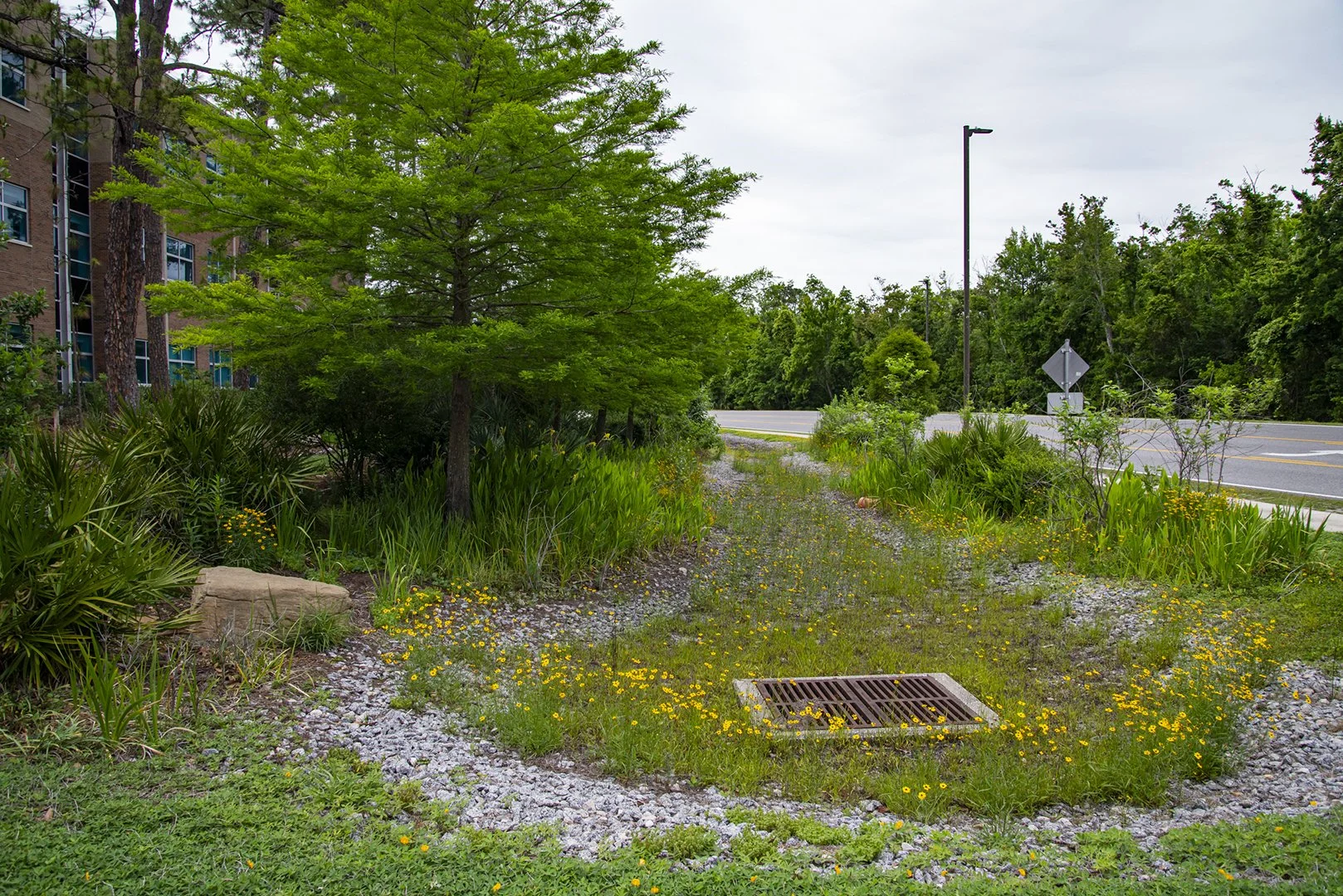
The team also learned about a planted “floating island” within one of the campus water collection ponds. The living island uses tall grasses to absorb excess nutrients from runoff that could otherwise contribute to algae blooms. It was a clear example of how landscape systems can provide natural, science-based solutions for stormwater management and long-term pond maintenance.
The tour also reinforced the importance of designing for microclimates. Across campus, UNF studies conditions such as shade and temperature to better understand what plants thrive in each setting. The bamboo garden, for example, benefits from a shadier part of campus. For ELM’s integrated team of architects, planners, and landscape architects, it was a meaningful reminder that building placement, shade, circulation, and plant selection all work together in shaping successful landscapes.
By the end of the tour, the visit felt like both a field study and a reminder of why local observation matters. The landscapes at UNF are living systems—tested by weather, shaped by daily use, and cared for by people who understand their value.
ELM is grateful to Rhonda Gracie and William McMahon for sharing their time, knowledge, and passion for the UNF Botanical Garden. The garden is a not-so-hidden Jacksonville treasure, and Rhonda’s knowledge, care, and commitment are tremendous assets to its continued growth. For anyone interested in North Florida’s plant communities, sustainable landscapes, or simply a meaningful place to explore, it is well worth making time for a visit.
The team looks forward to returning as the gardens continue to grow, including UNF’s collection of Crinum Lilies—the largest collection in the United States!